UK counsellors working online
Counsellors who list Relationship
2,650 UK counsellors list relationship alongside stress or anxiety on their own profile. A listed topic is not a specialism; each profile shows the counsellor's professional body, experience and languages.
This page gathers profiles of counsellors who specialise in relationship and couples work across the UK. Browse the listings below to review approaches, registration and languages spoken before reaching out to a counsellor.








Dmitri ShirobokovBACP
Counsellor for anxiety and stress
Also lists Relationship · Addictions · Self Esteem

Patricia ThomasBACP
Counsellor - Stress and anxiety
Also lists Relationship · Family · Trauma and Abuse


Claire PhillipsBACP
Counsellor - Stress and anxiety
Also lists Relationship · Addictions · Trauma and Abuse


Aamirah KhanBACP
Counsellor - Stress and anxiety
Also lists Relationship · Family · Trauma and Abuse


Christopher MacdonaldBACP
Counsellor - stress and anxiety
Also lists Relationship · Parenting · Self Esteem

Kathryn Maddy-PowellBACP
Counsellor - Stress and anxiety
Also lists Relationship · Trauma and Abuse · Grief

Rebecca McintoshBACP
Counsellor - Stress and anxiety
Also lists Relationship · Grief · Coping with Life Changes

Deborah SmithBACP
Counsellor - Anxiety and Stress
Also lists Relationship · Addictions · Trauma and Abuse

Louise BaxterBACP, NCPS
Counsellor - stress and anxiety
Also lists Relationship · Trauma and Abuse · Self Esteem



Dr. Joanna (Ioanna) KaraoulaniBACP
Counsellor - stress and anxiety support
Also lists Relationship · Family · Trauma and Abuse

Melisha PillayBACP
Counsellor - Stress and anxiety
Also lists Relationship · Trauma and Abuse · Self Esteem


Sharon FaceyBACP
Counsellor specialising in anxiety and stress
Also lists Relationship · Trauma and Abuse · Intimacy-related issues


Connie AthertonBACP
Counsellor - Anxiety and stress
Also lists Relationship · Grief · Trauma and Abuse

Victoria GonticasBACP
Counsellor - Stress and anxiety
Also lists Relationship · Grief · Intimacy-related issues



James BarkerBACP
Counsellor - anxiety and stress support
Also lists Relationship · LGBT · Trauma and Abuse

Zahrasadat SabaBACP
Counsellor - Stress and anxiety
Also lists Relationship · Trauma and Abuse · Self Esteem
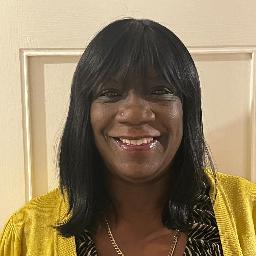
Moira McCarthyBACP, NCPS
Counsellor for stress and anxiety
Also lists Relationship · Trauma and Abuse · Grief



Zahava SmithBACP
Counsellor - stress and anxiety
Also lists Relationship · Family · Trauma and Abuse


Priti Das-GuhaNCPS
psychodynamic counsellor - stress and anxiety
Also lists Relationship · Trauma and Abuse · Self Esteem

Riffat JabeenBACP
Counsellor - stress and anxiety
Also lists Relationship · Trauma and Abuse · Depression

Esmie WainwrightBACP, NCPS
Counsellor - Stress and anxiety
Also lists Relationship · Trauma and Abuse · Parenting


Kari WaltersBACP
Counsellor - Stress and anxiety
Also lists Relationship · Self Esteem · Coping with Life Changes

Poonam SejpalBACP
Counsellor - anxiety and relationship concerns
Also lists Relationship · Trauma and Abuse · Anger


Dion GrayBACP
Counsellor - Stress and Anxiety
Also lists Relationship · Trauma and Abuse · Depression

Elizabeth DuffyNCPS
Counsellor - Stress and anxiety
Also lists Relationship · Addictions · Trauma and Abuse

Mmoloki GareebineBACP
Counsellor - stress and anxiety
Also lists Relationship · Trauma and Abuse · Grief

Counsellor listings come from BetterHelp. We will earn a commission if you sign up through our links, at no extra cost to you.
Understanding relationship difficulties and how they affect you
Relationship difficulties cover a wide range of experiences, from ongoing communication breakdowns to acute moments of conflict or loss. You might find that patterns repeat across different partnerships, that old wounds resurface during stressful life changes, or that small irritations gradually erode closeness and trust. Relationships also include the bonds you have with family members, close friends and colleagues, so what feels like a personal problem can often be shaped by interaction patterns and unspoken expectations that develop over time.
When you feel stuck, frustrated or disconnected, the issue is rarely only about a single incident. Underlying factors such as attachment styles, differing needs for intimacy, mismatched life goals or the carry-over of anxiety and stress from other areas can all influence what happens between people. Understanding this context can make problems easier to address. Counselling focused on relationship work aims to help you and other people involved explore what keeps patterns in place and identify ways of relating that feel more manageable and respectful to everyone.
Signs that relationship counselling may help
You might start considering counselling when everyday interactions feel charged or when conflicts escalate more quickly than they used to. If conversations repeatedly end in hurt, avoidance, blame or shutdown, that pattern is a strong indicator that external support could help you change how you relate. Other signs include feeling lonely while living with a partner, regular arguments about the same issues, a loss of emotional or physical intimacy, or difficulty negotiating practical matters like finances, parenting or care responsibilities.
Sometimes relationship difficulties appear alongside mental health challenges. Increased anxiety, low mood, or trouble sleeping can both result from and contribute to relational strain. You may also notice behavioural signs such as withdrawing from social life, excessive reassurance-seeking, or persistent resentment. Counselling is a space to explore both the relational dynamics and any wider emotional responses that accompany them, so you can work towards clearer communication and more sustainable ways of being together.
What to expect in relationship counselling sessions
In the early sessions you can expect the counsellor to ask about the history of the relationship, current concerns and what you hope to get from counselling. The focus may be on mapping interaction patterns, identifying each person’s needs and clarifying goals for the work. Sessions often involve reflective conversation where you can speak about your experience and listen to the other person’s perspective. The counsellor may offer observations about communication styles, point out recurring cycles, and help you practise new ways of expressing needs or setting boundaries.
Counselling can be short-term or longer-term depending on what you want to address. Some people focus on resolving a particular crisis or decision, while others choose to work more gradually to shift entrenched patterns. You will typically be offered space to explore emotions that come up in sessions and to try out different ways of speaking and listening in a contained setting. If you are seeing a counsellor on your own, the work will centre on your experience and how you want to relate to others. Where both partners attend, the sessions often alternate between joint conversation and individual reflection to balance shared understanding with personal processing.
Navigating difficult topics
Expect the counsellor to help manage difficult conversations so they do not become retraumatising or one-sided. This can include setting boundaries about timing, pacing and ground rules for respectful dialogue. The aim is to create a workable way forward rather than to assign blame. You should be able to raise concerns about the process itself if something feels unhelpful, and a good therapeutic relationship will provide room to renegotiate the work as it progresses.
Common therapeutic approaches used for relationship work
Relationship counsellors draw on a range of approaches, and many list multiple methods among the ways they practise. Some counsellors emphasise emotion-focused models that explore how attachment and emotion regulation shape interactions. Others highlight systemic perspectives that consider the broader patterns and roles within family units or social systems. Cognitive and behavioural approaches may be used to identify unhelpful thinking and behaviour patterns and to practise concrete communication skills and problem-solving strategies.
There are also integrative practitioners who blend techniques from different traditions to suit a couple or individual's particular needs. When reviewing profiles you will see counsellors who list approaches such as emotionally focused work, systemic therapy, psychodynamic perspectives, and cognitive behavioural methods. Remember that a counsellor listing an approach does not indicate formal accreditation in that modality; it simply describes how they orient their work. It can be helpful to look for counsellors who are registered with recognised UK bodies such as the BACP, HCPC or NCPS, as that registration indicates adherence to professional standards and ongoing professional development.
How online relationship counselling works and what to expect
Online relationship counselling allows you to meet a counsellor from your own home or another comfortable environment. Sessions commonly take place via video call but can also be arranged by telephone or messaging, depending on the counsellor's offered formats. Many people find online work convenient for reducing travel time and for fitting therapy into busy schedules, while others appreciate the chance to be in a familiar setting when exploring emotional topics.
In couples work, online sessions will usually involve both partners connecting at the same time from different locations or the same location. The counsellor will manage the flow of conversation and may introduce exercises to help you practise communication in the moment. If you are attending alone, online counselling offers a focused space to reflect on your relationships and to build strategies you can use in your day-to-day interactions. It is important to choose a counsellor who explains how they handle practical details such as session length, fees and what to do if a call is interrupted.
Choosing the right counsellor for your relationship needs
When selecting a counsellor, consider the focus areas and approaches that match your priorities. You may want someone who lists experience with couples transitions, communication work, separation and divorce, or family relationship issues. Check registration details such as membership of BACP, HCPC or NCPS and read profile notes about therapeutic style and languages spoken. Some counsellors include information about the client groups they work with, for example adult couples, same-sex partners or families with children, which can help you find a better fit.
Think about practical considerations that matter to you: whether you prefer online sessions, the length of sessions they offer, and the way they describe their approach. It can be useful to read how counsellors explain their work in plain language so you get a sense of whether their style resonates. If you have questions about the process, qualifications or fees, you can contact a counsellor to ask before committing to an initial session. Trusting your instincts about the rapport and tone you encounter in that conversation is an important part of choosing someone you feel comfortable working with.
Moving forward with counselling
Starting relationship counselling can feel like a significant step, and it often brings relief that there is a focused place to explore recurring problems. Therapy rarely promises quick fixes, but it does offer a structured way to examine patterns, practise different responses and build greater awareness of how you and others contribute to interaction cycles. Whether you choose to attend alone or with a partner, the aim is to leave with clearer choices about how to relate and with practical skills you can apply in everyday life.
As you review the counsellor listings on this site, consider the combination of registration, approach, and personal style that aligns with what you hope to achieve. Thoughtful preparation and an open attitude toward the process can help you make the most of counselling as you work toward healthier, more sustainable relationships.