We will earn a commission if you sign up through a link on this page, at no extra cost to you.
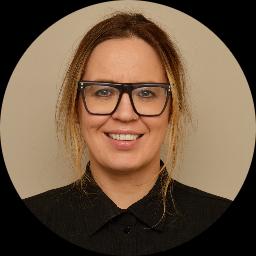
About Sarah
Sarah Gensmantel is a counsellor and psychotherapist and a member of the British Association for Counselling and Psychotherapy (BACP). She has four years' experience and works with stress, anxiety, trauma and abuse, grief, low self-esteem and a wide range of other emotional concerns. She offers talking therapy and life coaching online.
Sessions can be short term or longer term. She also uses optional practices such as breathwork, meditation, mindfulness and yoga when these suit the person.
Background and approach
These are offered alongside conversation, not instead of it. Sarah's background is in education, with roles in pastoral care and safeguarding for young people and adults. That work gave her experience supporting people who feel overwhelmed or emotionally unsafe.
She has supported people dealing with PTSD, addiction, low mood, loss and recovery from sexual abuse and rape. The relationship between counsellor and client is central to how she works. She listens to what is said and to what may feel hard to put into words.
From that listening she helps people understand what is happening and how to cope day to day. Sessions move at a pace that feels right for the individual. Practical coping strategies are suggested when helpful.
Sarah welcomes people who want support, understanding or guidance during a difficult time. She works in English and does not take international clients. Before booking, people should check the current online counselling options and scheduling details.
At a glance
- Based in
- United Kingdom
- Years in practice
- 4
- Registered with
- BACP
- Membership or registration number
- 404515
- Languages
- English
- Approaches include
- Attachment-Based Therapy, Client-Centred Therapy, Cognitive Behavioural Therapy (CBT)
- How sessions happen
- Online, by video, phone or messages
Shown as listed on Sarah's public professional profile. This directory does not check anyone's standing; the body itself is the place to confirm a number.
What Sarah works with
Everything Sarah lists, in their own terms.
- Stress, Anxiety
- Trauma and abuse
- Grief
- Self esteem
- Depression
- Addictions
- LGBT
- Relationship issues
- Family conflicts
- Intimacy-related issues
- Eating disorders
- Sleeping disorders
- Parenting issues
- Anger management
- Career difficulties
- Bipolar disorder
- Coping with life changes
- Coaching
- Compassion fatigue
- ADHD
- Abandonment
- Attachment issues
- Body image
- Cancer
- Commitment issues
- Communication problems
- Control issues
- Coping with natural or human-caused disaster
- Dissociation
- Domestic violence
- Drug and alcohol addiction
- Emptiness
- Family problems
- Forgiveness
- Guilt and shame
- Impulsivity
- Isolation / loneliness
- Jealousy
- Life purpose
- Midlife crisis
- Mood disorders
- Obsessions, compulsions, and OCD
- Panic disorder and panic attacks
- Paranoia
- Post-traumatic stress
- Process addiction (porn, exercise, gambling)
- Seasonal Affective Disorder (SAD)
- Self-harm
- Self-love
- Social anxiety and phobia
- Women's issues
- Workplace issues
- Young adult issues
Approaches Sarah lists
- Attachment-Based Therapy
- Client-Centred Therapy
- Cognitive Behavioural Therapy (CBT)
- Mindfulness Therapy
- Psychodynamic Therapy
- Solution-Focused Therapy
- Somatic Therapy
- Trauma-Focused Therapy
Listing an approach is not evidence of training in it. This directory copies what each counsellor names and does not check training records.
How Sarah works online
Client-centred therapy means the counsellor listens without judgement and follows the person's pace. This approach supports people who need to feel understood before they can try practical changes.
Cognitive behavioural therapy (CBT) looks at thoughts, feelings and behaviours and uses simple exercises to reduce unhelpful patterns. It is often used for worry, anxiety and low mood and can be combined with mindfulness practices.
Choosing the right mix of approaches is part of the work. The therapist will discuss options and decide together with the client which methods fit their goals and preferences. That conversation shapes how sessions are planned.
Confirm the current session formats before booking, as the biography does not list specific options. Online sessions can make it easier to fit therapy into a busy life, such as shorter check-ins between commitments or avoiding travel time. They also allow techniques like breathwork and mindfulness to be practised during a session when useful.
Questions and answers
What sort of problems does she help with?
She works with stress, anxiety, trauma and abuse, grief, low self-esteem and related concerns such as addiction, eating and sleeping issues, parenting strain and career problems.
What is her therapeutic style?
She uses a person-centred approach combined with techniques from attachment work, cognitive behavioural therapy and mindfulness, and can also include psychodynamic ideas and solution-focused elements.
How much experience does she have?
She has four years' experience working as a counsellor and psychotherapist, with a background in education and pastoral care.
Which professional body is she a member of?
She is a member of the British Association for Counselling and Psychotherapy (BACP).
Can I see her in languages other than English?
Sessions are offered in English.
Does she accept international clients?
She does not accept international clients at this time.
How much do sessions cost?
Cost varies with location and sessions use a subscription that can be cancelled at any time; check the service details for current pricing.
How do I begin working with her?
Select the See online counselling options button, complete a short matching questionnaire and schedule a first session.
Is this your profile?
You can ask us to correct a detail or remove the page. Contact us.
Other counsellors who list trauma and abuse
See them all
Anna CliftonBACP
Counsellor - Stress and anxiety
Also lists Trauma and Abuse · Relationship · Family

Kerry ForsterNCPS
Counsellor - stress and anxiety
Also lists Trauma and Abuse · Relationship · Grief